
Abstract Art, Patterns, and AI
I have no understanding of, and very little appreciation for, truly abstract art. I think I figured out why just now: no patterns. I cannot detect real patterns in what I am looking at. It is not a shape, it is not an animal made out of lines, it is just stuff. Stuff dropped on a canvas that has meaning for someone, but in my head means absolutely nothing.
That is a limitation I have. I have a certain level of neurodiversity that cannot adjust to this type of chaos.
I think that same kind of limitation is shared by LLMs. Even though they sample from all of humanity, they still seem to struggle with generating abstract art. They want things to fit in neat little boxes or familiar patterns, and abstract work often does not. Getting them to create something usable can require heavy-handed guidance. Maybe someone who understands abstract art better would guide them better, but I can usually tell what something is roughly supposed to look like.
I did three tests for this project and put them on my gallery.
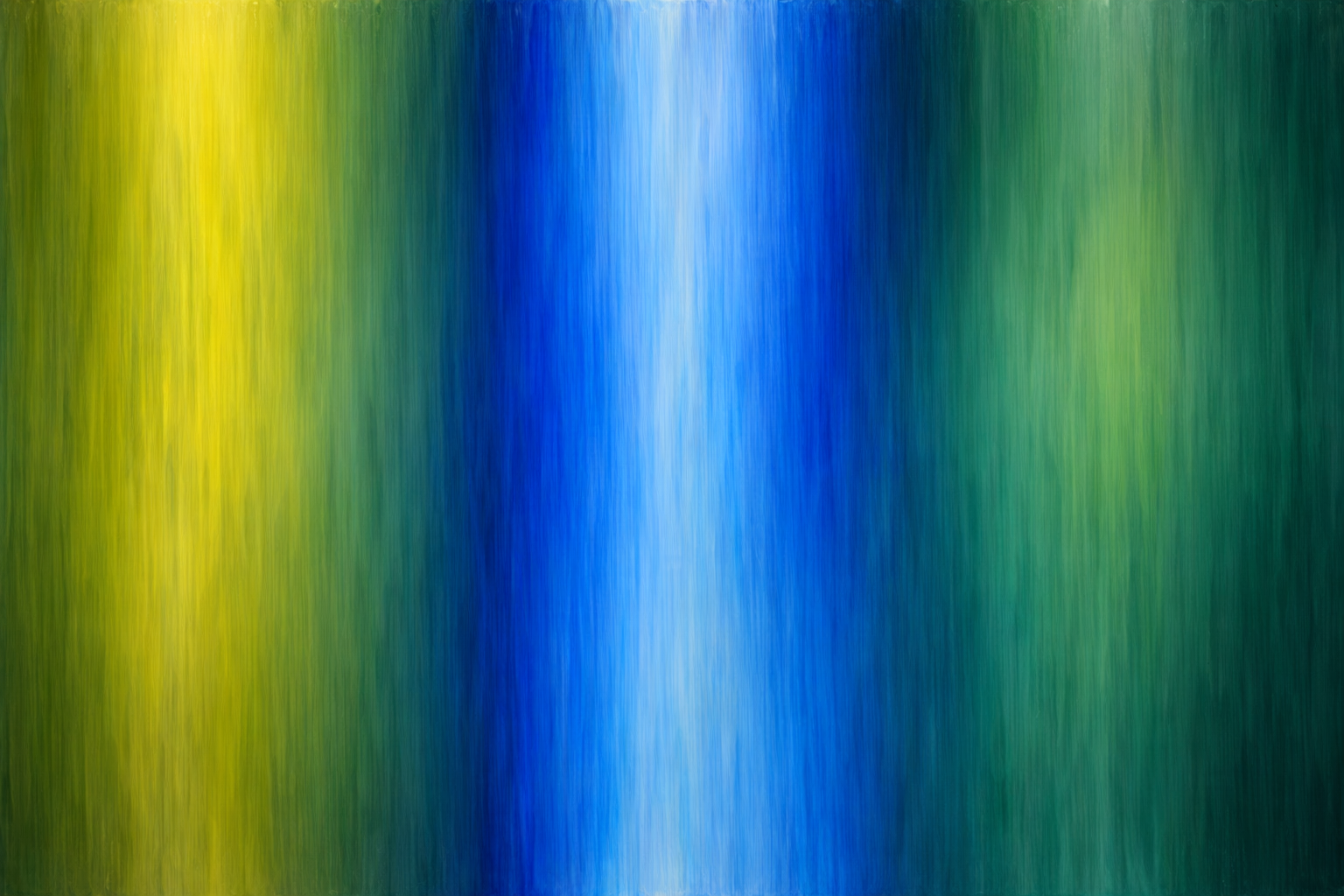
Test number one was fairly simple: green, blue, green on a canvas, with one green slightly darker than the other. A little yellow in each green, then trying to get blending up and down. Maybe two hours of trial and error, chat after chat, because it would get stuck. It was a big fight and I ended up with something close to what I was visualizing, but still not even as interesting as a Rothko. If you are unfamiliar, the National Gallery of Art collection is a good reference point.
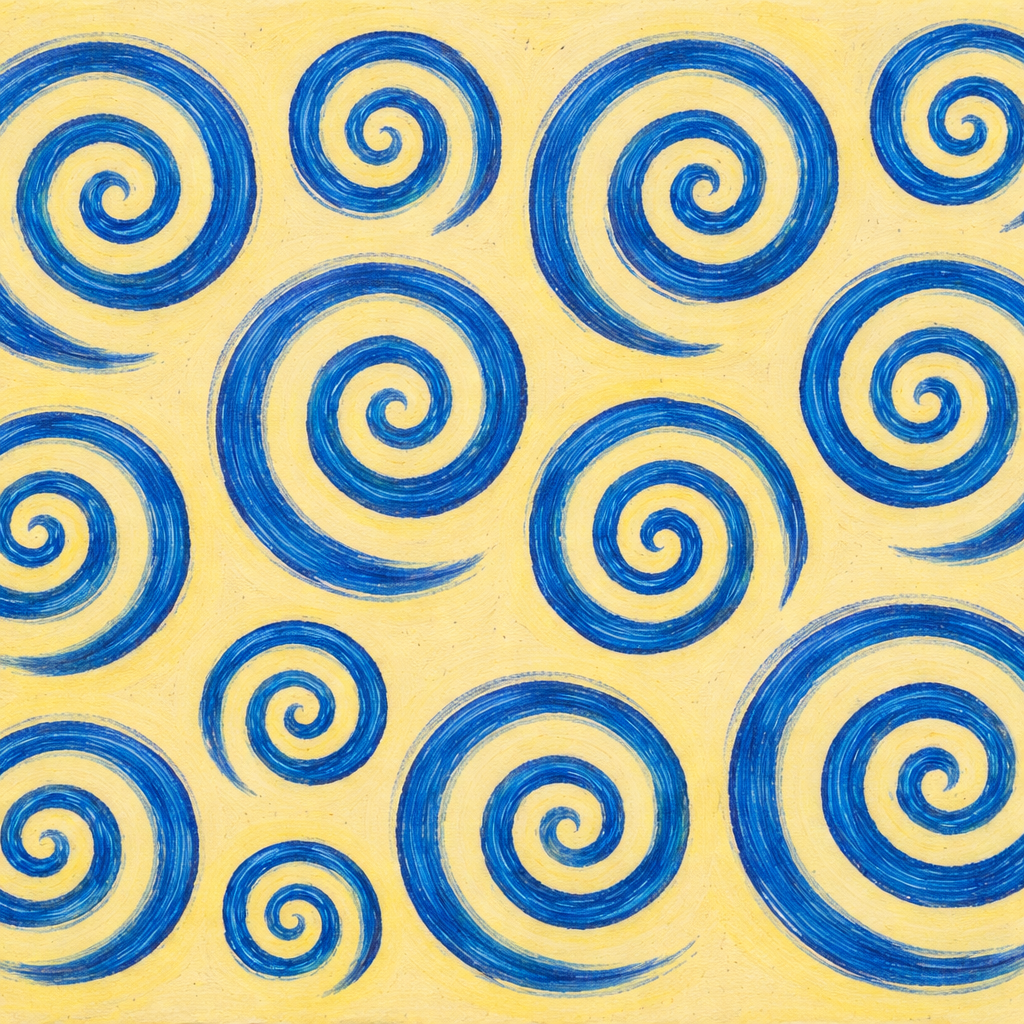
The second one was supposed to be line-drawing spirals of various sizes, at various angles, loosely following a Fibonacci-style pattern. I even referenced my af Klint post and her spiral-rich work at Moderna Museet, The Ten Largest, No 1-2, Childhood, and it still stubbornly refused to change focus. I just kept getting the exact same thing over and over again. It became frustrating quickly, and I terminated the experiment with what I got, which I do not like. I think it looks like tacky wallpaper.
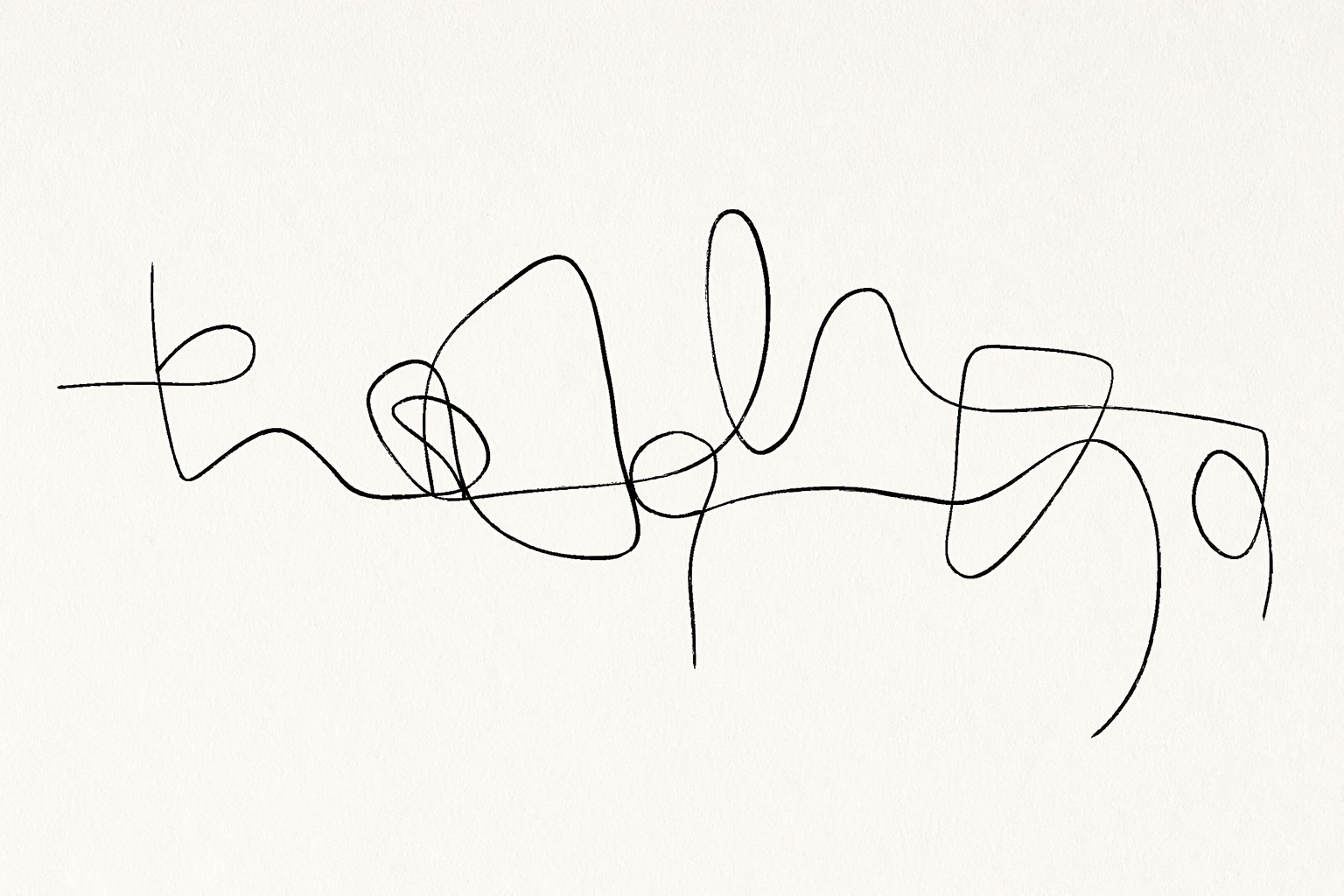
The third one I got on the first try. I have no idea why. I actually kind of like it, which is surprising. One thing I noticed when I did a reverse image search is that there are a lot of variations of this style out there, so there were likely many examples for AI to learn from and recreate a version of it, just like humans do.
Humans look at a lot of art and then create something new from what they have observed, synthesized, and put down on canvas. But is it really new? Is it really original?
Overall, I consider this experiment a failure. I will retry it later with better tools.
I will also revisit this entry and add a reflection at the end on what this means to me, what it means for AI, what it means for creativity and originality, and maybe even what it means for art. Normally I write the entry by dictating to AI, having it put together a rough draft, and editing it several times to get to the meaning I wanted. This time, I wrote it by hand and had it fix spelling and four clarity errors. My feelings were raw after this and I wanted the post to reflect that.