
Kinari Steps Out of the Lab
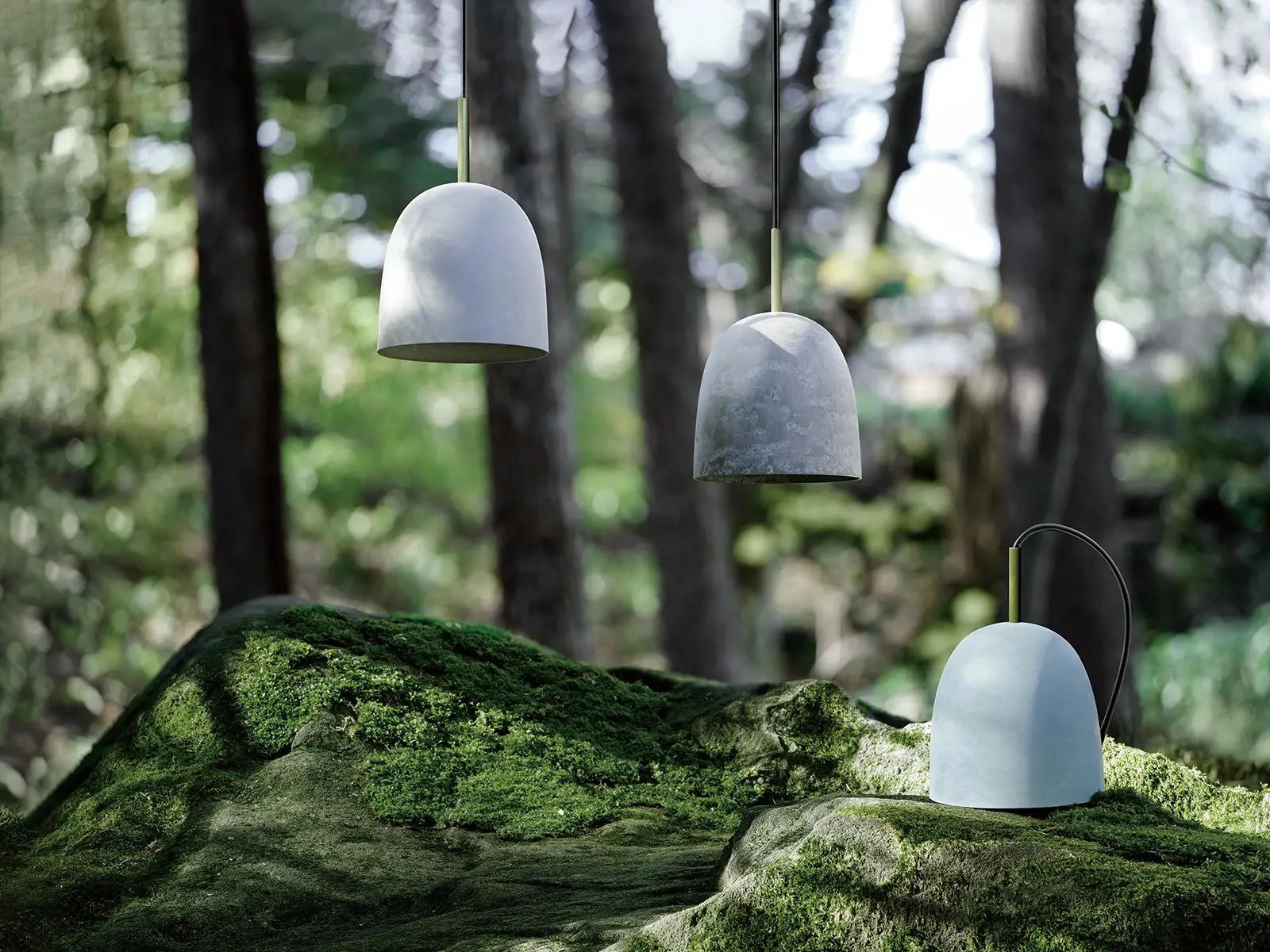
Kinari was the sort of thing that made me want to keep watching. When I wrote about it on June 1, the core question was still a scientific one. Could Panasonic keep pushing the plant-derived content higher, lean less on petroleum, preserve the useful physical behavior of conventional plastic, and build a believable end-of-life story that did not collapse under scrutiny?
That was the right question then. It still is. But two months later, the story has started to change shape.
Panasonic has not announced some dramatic breakthrough. What it has done instead may matter just as much. It is trying to turn Kinari from an interesting material into a product people recognize.
The most concrete sign of that shift is the S-story pendant light. Panasonic announced it in March and scheduled the release for June 21. The shade uses Kinari at roughly 50 percent cellulose fiber, cutting the petroleum-based resin in that part of the product by about half. Panasonic calls it the first household electrical product it has made with Kinari.
That timing matters. A prototype proves that something can be made. A product on a shelf asks whether someone will pay for it.
The lamp also says something about the way Panasonic wants to sell the material. The pitch is not only that this is the responsible substitute for ordinary plastic. The company leans on the shade's warmth, its texture, and the way the material varies naturally, so that each lamp looks a little different from the next. Nobody buys a lamp because they are fascinated by its cellulose-fiber content. They buy it because it looks good in the room. The environmental story may close the sale, but the thing still has to work as a thing.
The clearest sign that Panasonic is now studying customers, not just selling material, came on June 18, when Tsutaya Electrics+ in Tokyo opened a Kinari exhibition and shop. It ran through August 24 and included the S-story lighting, planters made from discarded cedar and cypress, and colored household accessories. People could pick up the products and buy some of them.
The products matter less than the reason Panasonic gives for the whole effort. The company says it wants to collect marketing data on how people react and what they want, and to use that to push Kinari past selling raw material. That is a real shift.
Up to now, most of the Kinari story has been about the material itself: what it is made of, how it is molded, where it might work industrially. Panasonic has shown it can blend high concentrations of cellulose fiber with resin, injection-mold it, and shape it into all kinds of forms. It has made cups, school dishes, bathroom fittings, clothing parts, and experimental pieces. The Tsutaya project asks a different question. Do people like it?
Do they read its texture as a feature or a flaw? Does knowing a planter is made from discarded local wood make them want it more? Will they pay extra for a lamp because its shade uses less petroleum-based resin? Those are marketing questions, but marketing is not separate from whether a technology gets adopted. A material that works perfectly and that nobody asks for is still just a demonstration.
Panasonic's next move was more openly promotional. From July 17 through 19, the company sponsored three Hanshin Tigers farm-league games under the banner "Kinari Night." The material went straight into the hands of the crowd through giveaways and merchandise such as Kinari chopsticks and cups in the team's colors. The Tigers' player dorm had already started eating off Kinari tableware in June.
Nothing about a baseball night improves the material's tensile strength or its eventual breakdown profile. That is exactly why it is interesting. Panasonic seems to have reached the point where Kinari needs to be familiar as much as it needs to be proven. It is not enough anymore for engineers and sustainability people to know what it is. Panasonic wants regular people to run into it while they shop, eat, decorate their homes, and watch baseball. That's how a material becomes a brand.
Most people have no idea who made the plastic in their soap dispenser or the resin in their lamp shade. Panasonic is betting Kinari can be different. It is betting the material itself can carry enough meaning, environmental and aesthetic, to become part of what the product is.
When I first wrote about Kinari, I was mostly watching the science. I wanted to know whether Panasonic could keep pushing the plant-derived content up, lean less on petroleum, hold onto the physical properties that make it useful, and eventually build a believable end-of-life for it. Those questions remain.
But everything since June points to Panasonic working on a different problem now. It is building a market. It is putting Kinari into a household product. It is letting people handle it and buy it in a showroom. It is gathering data on them. It is tying the Kinari name to pro baseball and to ordinary objects.
Put together, these are not one-off promotions. They look like the early work of building an identity people will recognize.
Whether it works is still an open question. A few nice products and a baseball weekend do not add up to industrial demand. In the end, Kinari has to compete on cost, durability, consistency, and supply. It also has to prove its environmental advantages hold up when you look at the whole life of the material, start to finish.
I hope it clears all of that. The shade in that lamp is only about half cellulose, but the material has come a long way from roughly 55 percent at launch to as high as 85 percent in some formulations, and Panasonic says it is aiming for 100 percent. A fully plant-based material that molds and wears like plastic, without any of the petroleum underneath, would be more than a nice product. It would be a real dent in something that has felt impossible to dent.
Still, Panasonic is acting less like a company showing off a promising experiment and more like one getting something ready to sell.
Kinari is still a material worth watching. But the question is starting to change. Panasonic has already shown it can make it. Now it has to persuade the rest of us to ask for it.
I hope we do.